I have lived and worked in María Chiquita for more than 6 years. I have watched many promises about Costa Arriba's development come and go. What is happening in 2026 is different: there are signed decrees, active construction contracts, and a newly created national park. As a bioclimatic architect with active projects in the area, I want to explain what this means in concrete terms for landowners, builders, and investors.
01 The Caribbean Corridor: The Project That Changes Everything
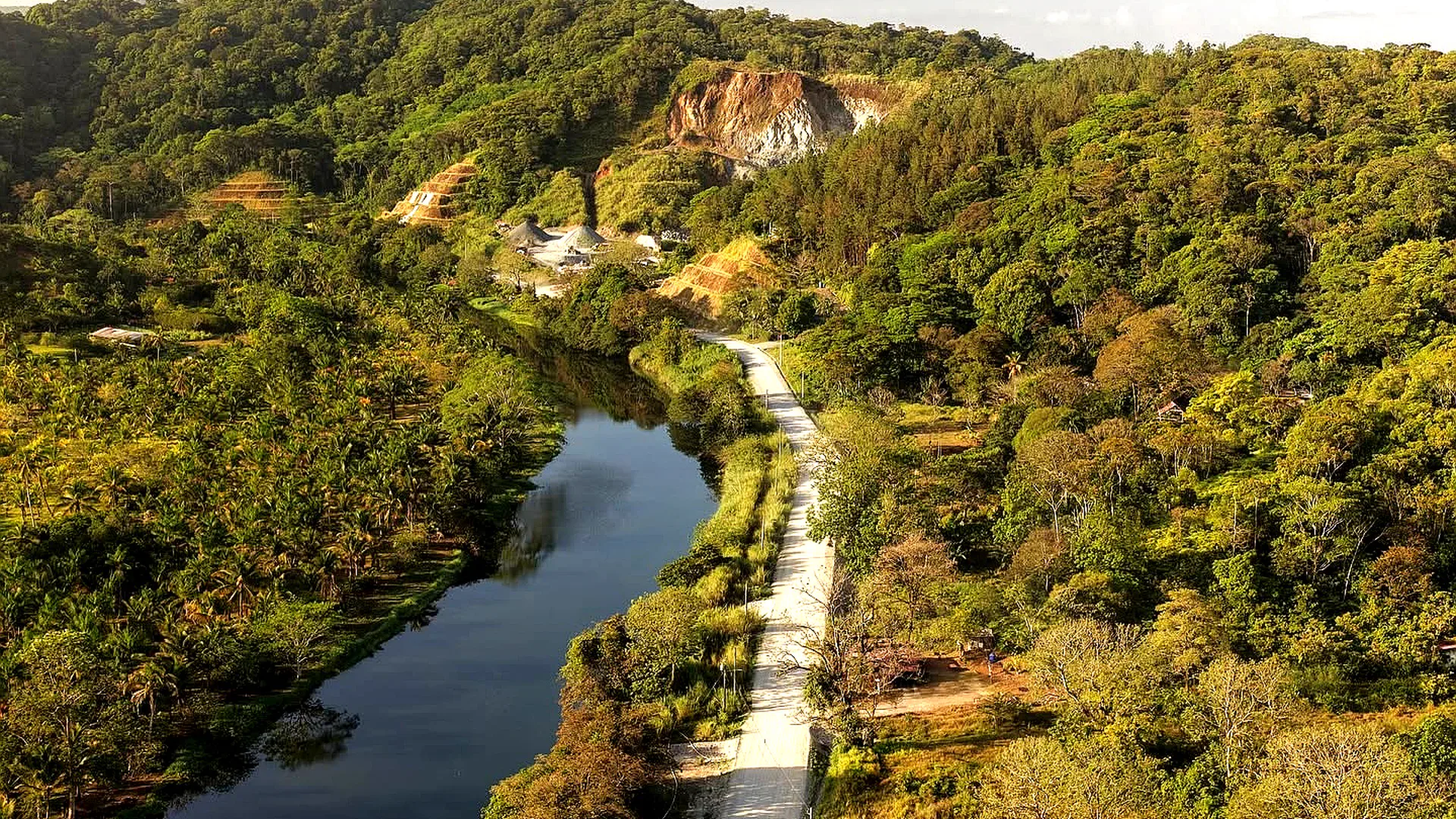
In March 2026, the Ministry of Public Works (MOP) and the Ministry of Environment (MiAmbiente) officially announced Panama's first ecological road: the Caribbean Corridor (Corredor del Caribe). It is a 28-kilometer route between Quebrada Ancha and María Chiquita — including the roundabout in my own community — with an investment of B/. 92 million and 40% physical completion at the time of the announcement.
This is not a plan on paper. It is under active construction. The road includes wildlife crossings for jaguars and tapirs, restrictions on heavy vehicle traffic, and two approved Environmental Impact Studies. The stated goal: improve connectivity to Costa Arriba, boost tourism, agriculture and commerce, and benefit more than 150,000 people.
For residents, the most immediate impact will be reduced travel times and lower vehicle operating costs. For investors, it means something more important: predictable accessibility. That has historically been Costa Arriba's weakest argument compared to other coastal areas of Panama.
02 Sierra Llorona National Park: A Territorial Brand Asset
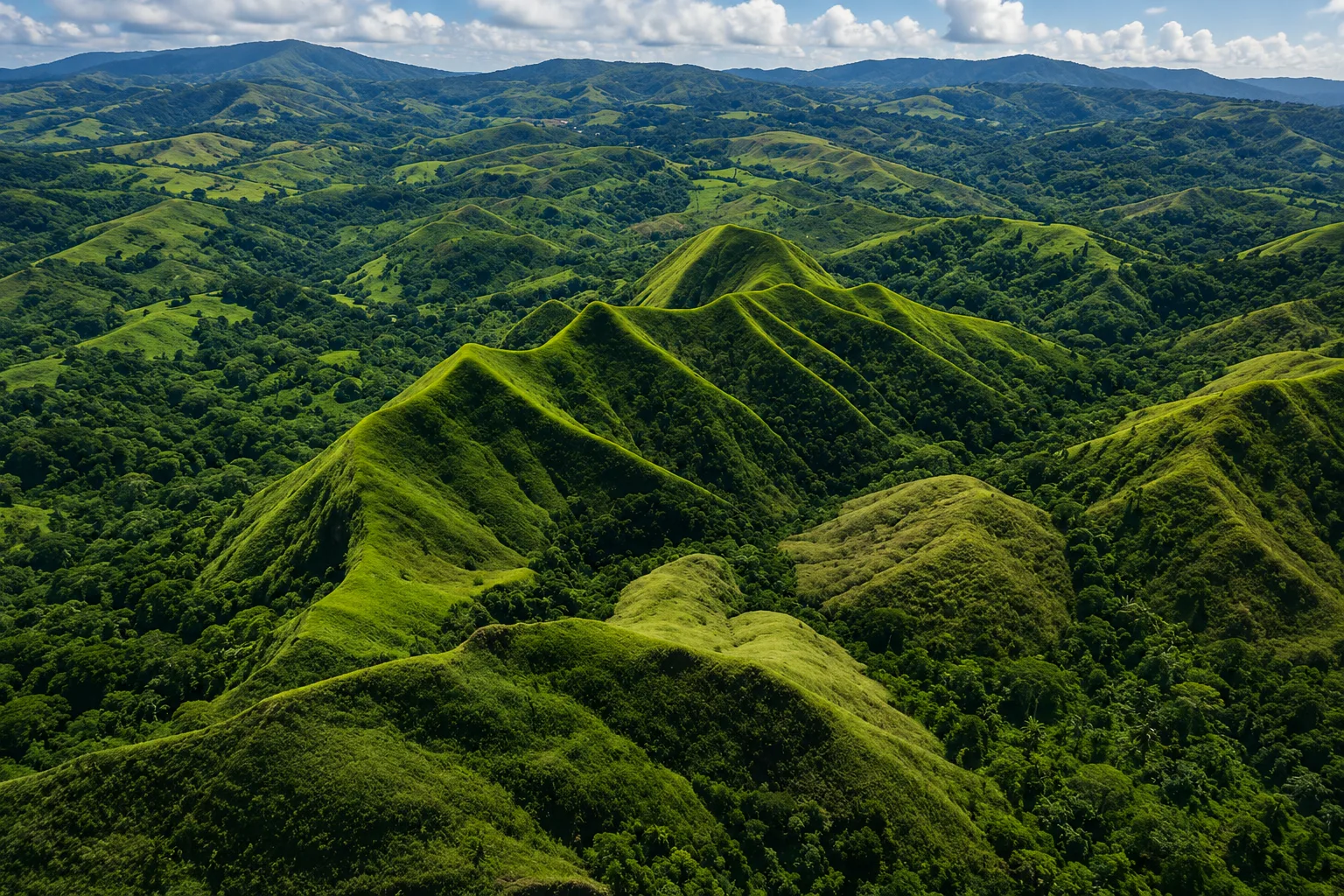
In the same month, through Executive Decree No. 1 of MiAmbiente dated March 23, 2026, Sierra Llorona National Park was officially created: 16,436 hectares of primary forest between the districts of Portobelo and Colón, with more than 80% forest cover. The park connects ecosystems between Chagres National Park and Portobelo National Park, forming part of the Mesoamerican Biological Corridor.
From a market perspective, a newly decreed national park adjacent to a developing residential and tourism area is a value proposition that very few regions in Panama can offer. It is not a future attraction — it is published in the Gaceta Oficial.
For sustainable architecture and ecotourism projects, this creates a genuine — not marketing-driven — narrative of integration between housing, nature, and conservation.
03 What the Market Is Looking for in 2026
The saturation of areas like Punta Pacífica and Costa del Este is pushing demand toward zones with more available land, lower prices, and better quality of life. At the same time, Panama ranked first in the InterNations Expat Insider Survey 2025, and the new digital nomad visa — allowing stays of up to 9 months, renewable, for those earning more than $36,000 annually — is bringing a profile of international resident that previously did not reach these latitudes.
The fastest-growing segment is not affordable housing or urban luxury: it is low-impact residences in natural settings, for clients with dollar-denominated income who prioritize quality of life over square footage.
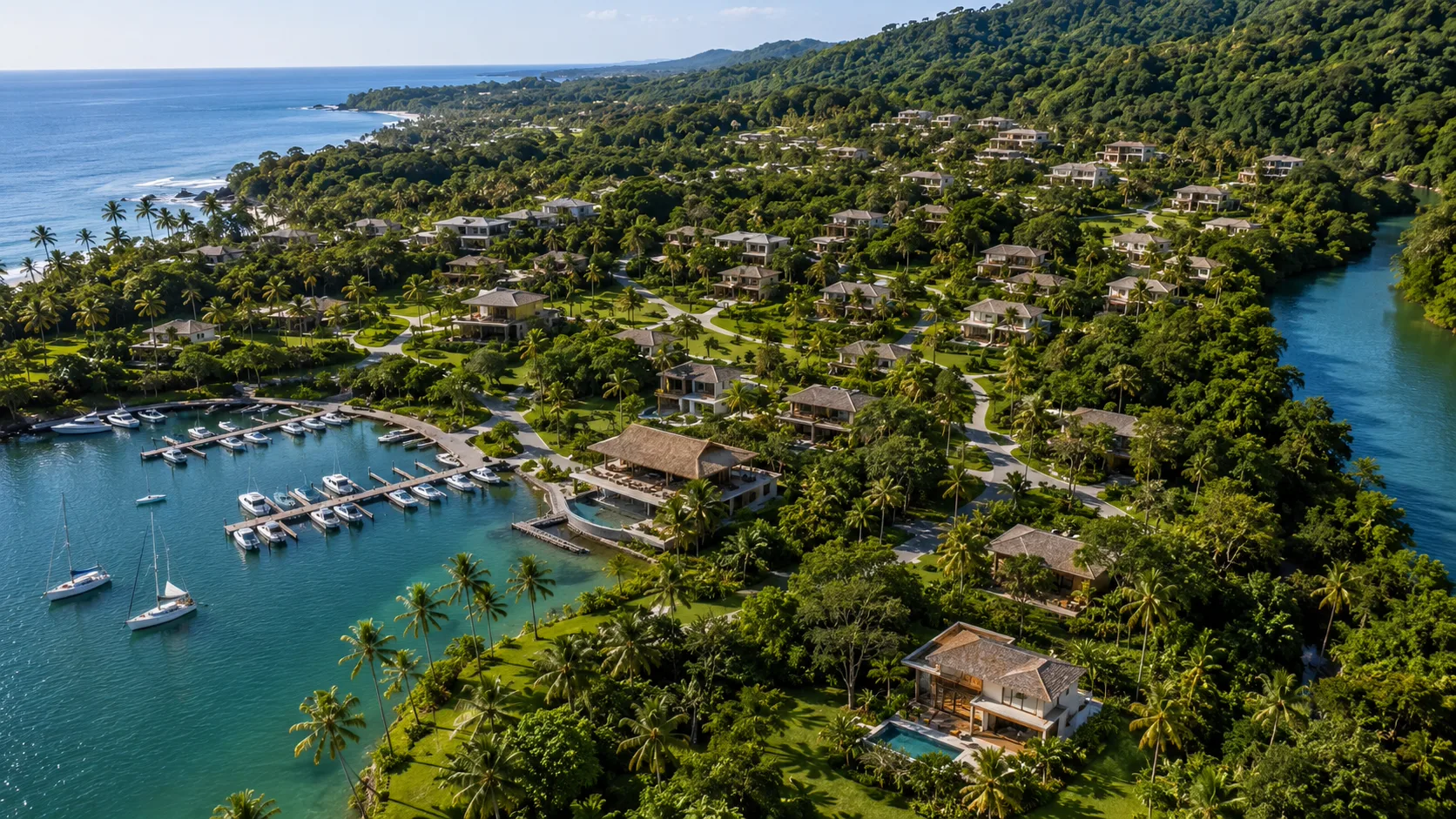
Costa Arriba — with Portobelo declared a UNESCO World Heritage Site, two national parks within close range, virtually untouched beaches, and now an ecological road under construction — fits that demand profile precisely.
04 What This Means If You Own Land or Want to Build Here
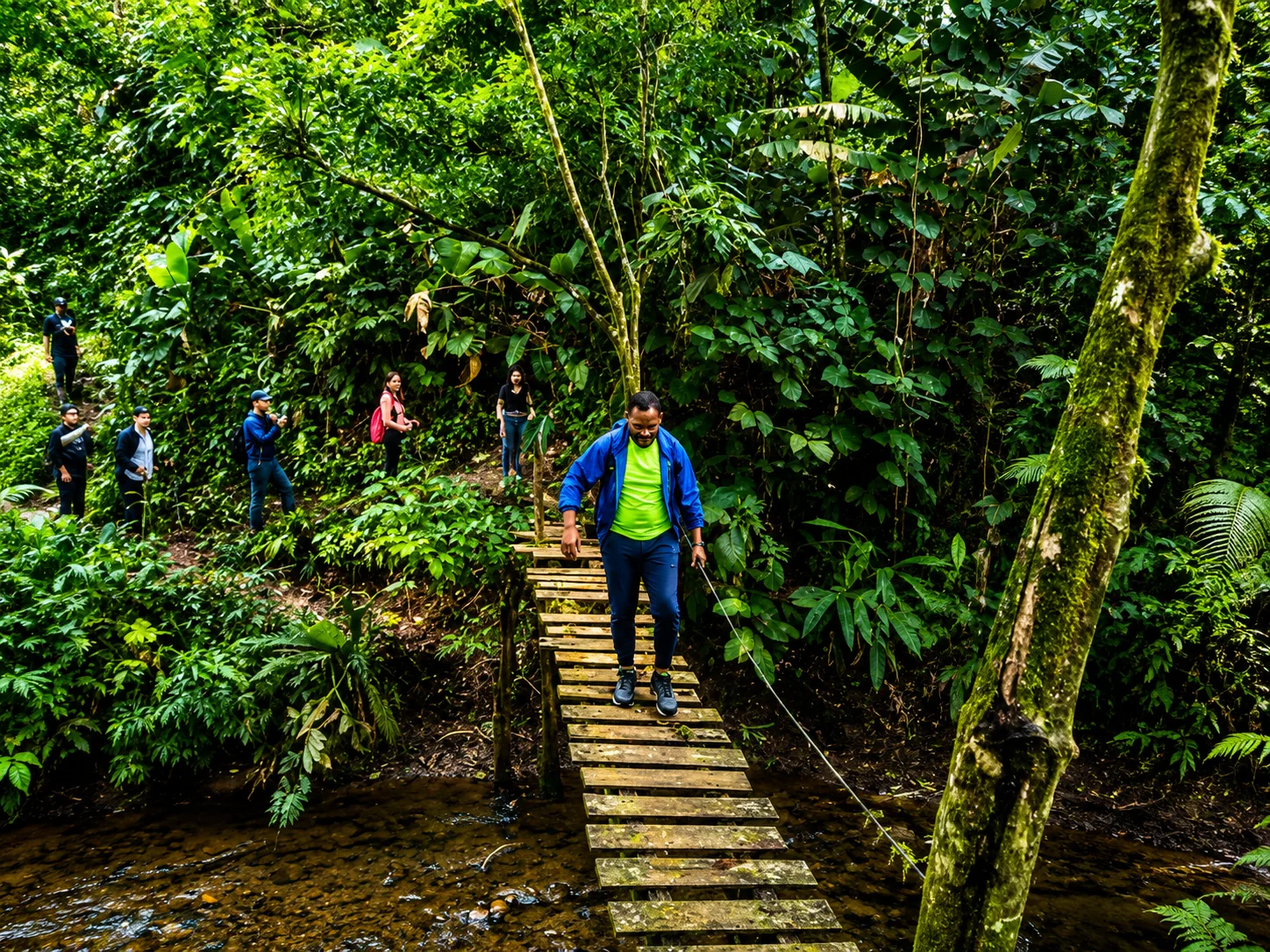
The most valuable window of opportunity in real estate opens before infrastructure is completed and land prices adjust to the new scenario. That is exactly where we are today in Costa Arriba.
However, building on the Caribbean coast involves specific complexities that do not apply elsewhere in Panama: sandy soils with high water tables, ANATI regulations on the maritime-terrestrial zone, MiAmbiente requirements near protected areas, and climate conditions that demand a genuinely bioclimatic approach — not a decorative one — from structural design onward.
Bringing in a firm that does not know this terrain is expensive. The most common mistakes I see: undersized foundations for soil conditions, materials unsuitable for the marine environment, and mismanaged permits that stall construction for months.
05 The Role of Bioclimatic Architecture in This Context
Designing for Costa Arriba is not about adapting a Panama City floor plan to a humid tropical climate. It means starting from the microclimate, solar orientation, natural ventilation, and locally available materials to create spaces that are cool, durable, and low-energy without depending on air conditioning.
At Biotopos, we have spent more than 6 years developing exactly that on Costa Arriba. Projects like Villa San Diego and Casa Las Lajas show what is possible when design responds to place rather than being imposed upon it.
Do you own land in Costa Arriba or are you evaluating an investment in the area? This is the conversation to have before buying a lot or hiring someone who has never set foot in this zone.